Exploring Nature at Ashland
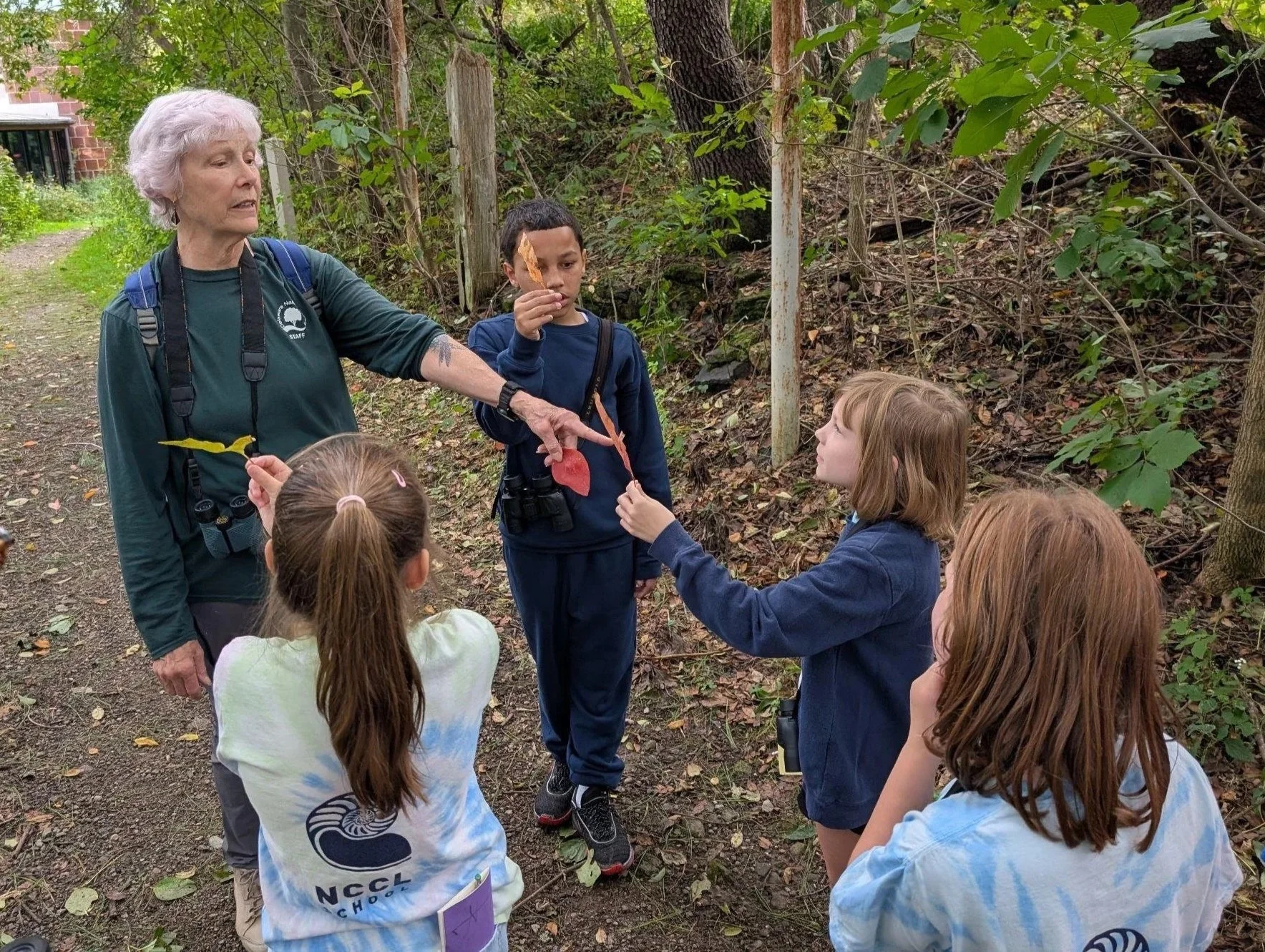
Our Group2 students had a wonderful time exploring Ashland Nature Center, learning about migrating raptors, and discovering the many ways wildlife makes its home in our region. From spotting birds of prey to observing butterflies and learning about native trees, the trip offered plenty of opportunities for curiosity, observation, and hands-on learning.
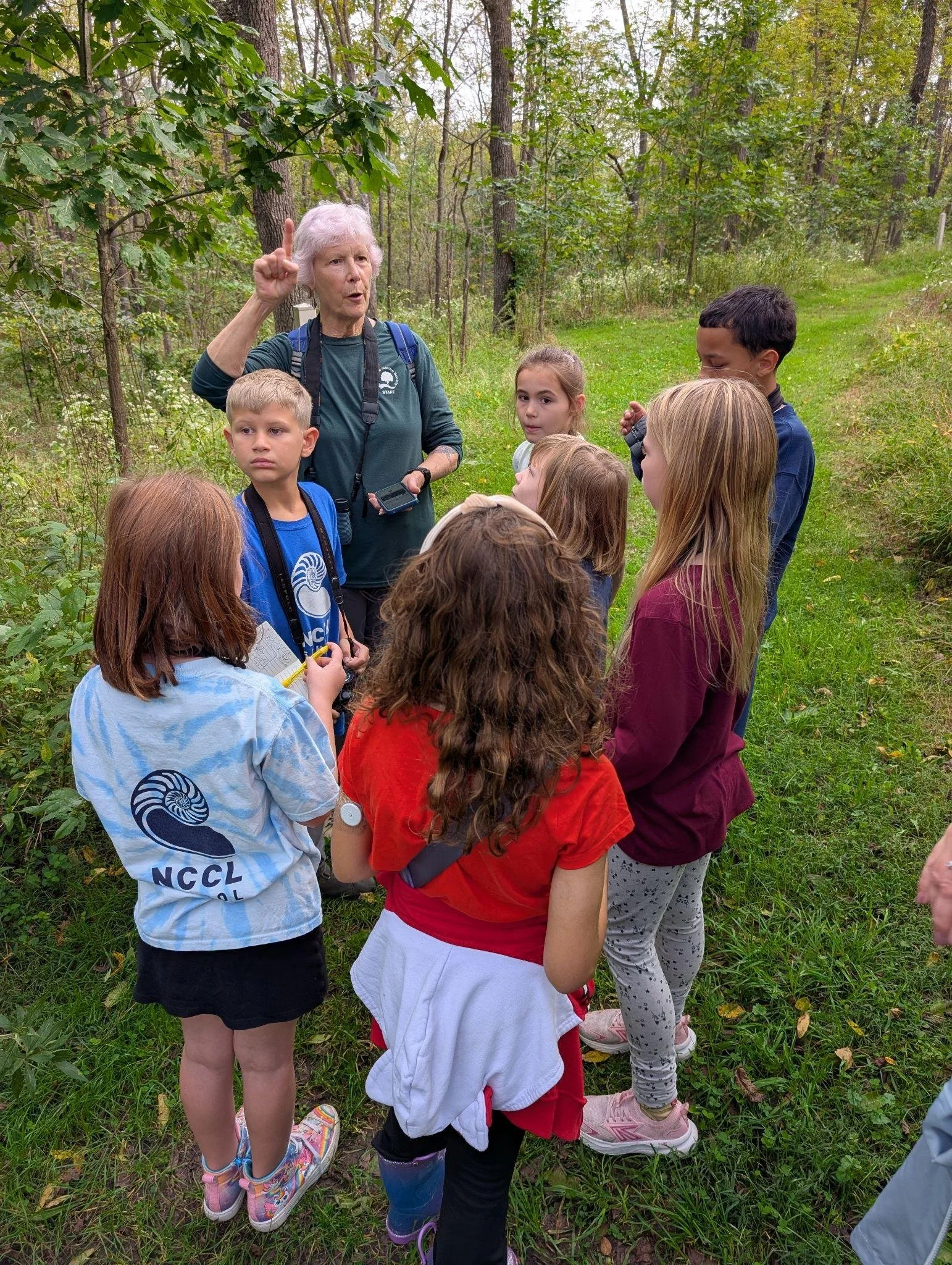
Our instructor, Miss Mary, has been at Ashland for more than 12 years and was a career biology teacher. She welcomed students with an engaging classroom lesson about raptors, including what makes a bird a raptor, a slideshow featuring fascinating images and data visualizations, and a collection of taxidermy raptors representing different species and sizes. Throughout the lesson, she used the questions Who? What? When? Where? and How? to guide students’ thinking and exploration.
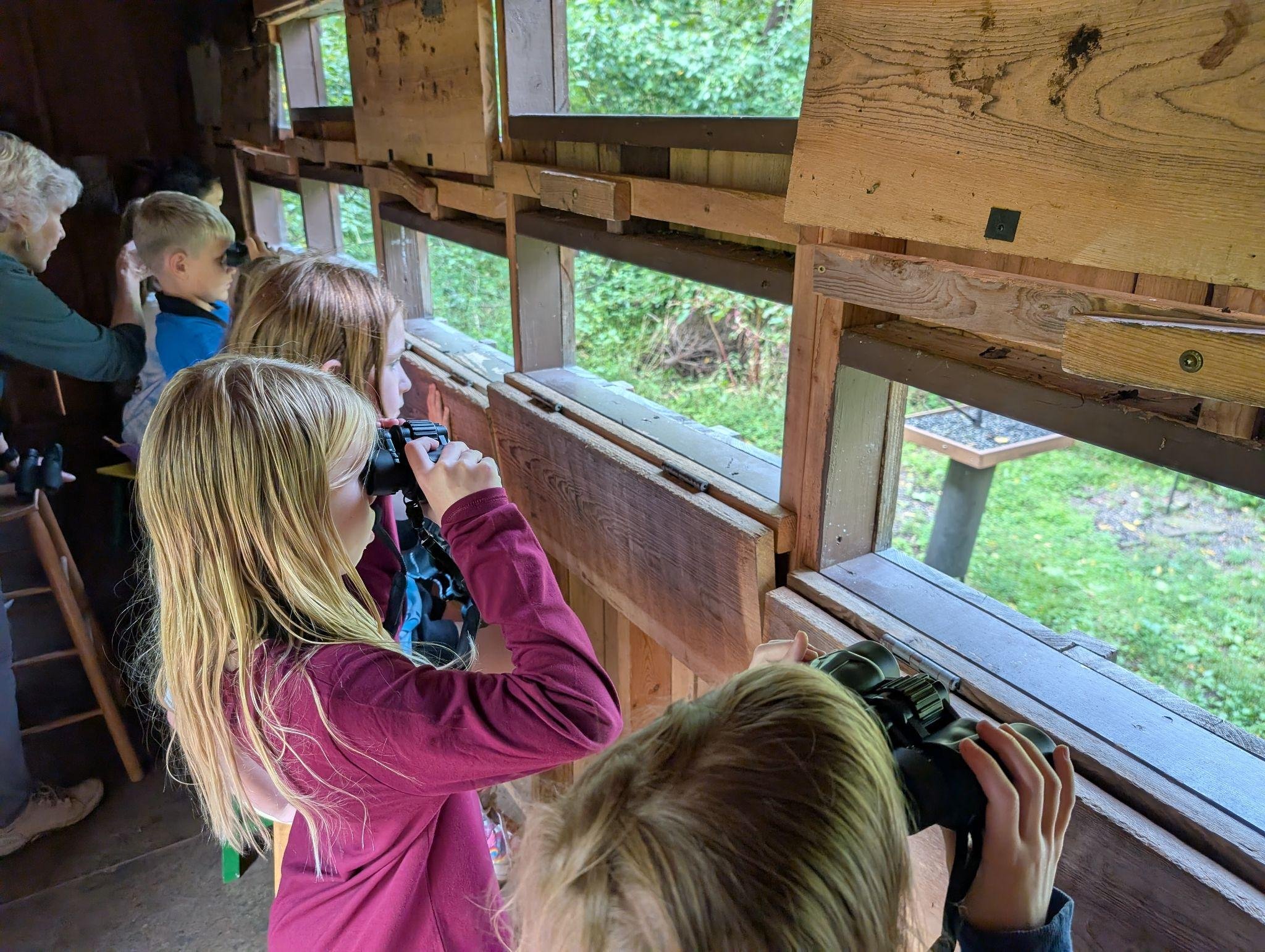
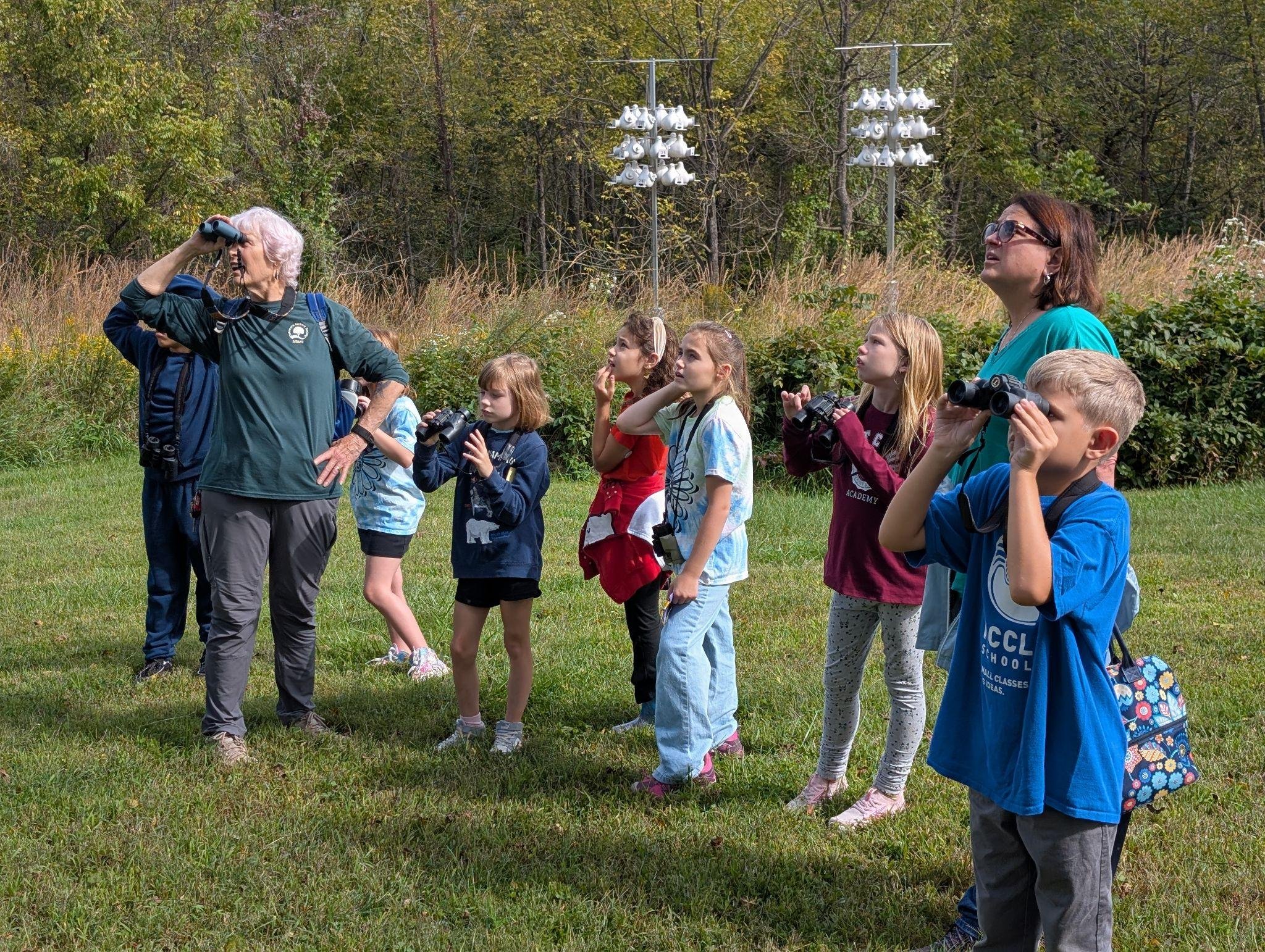
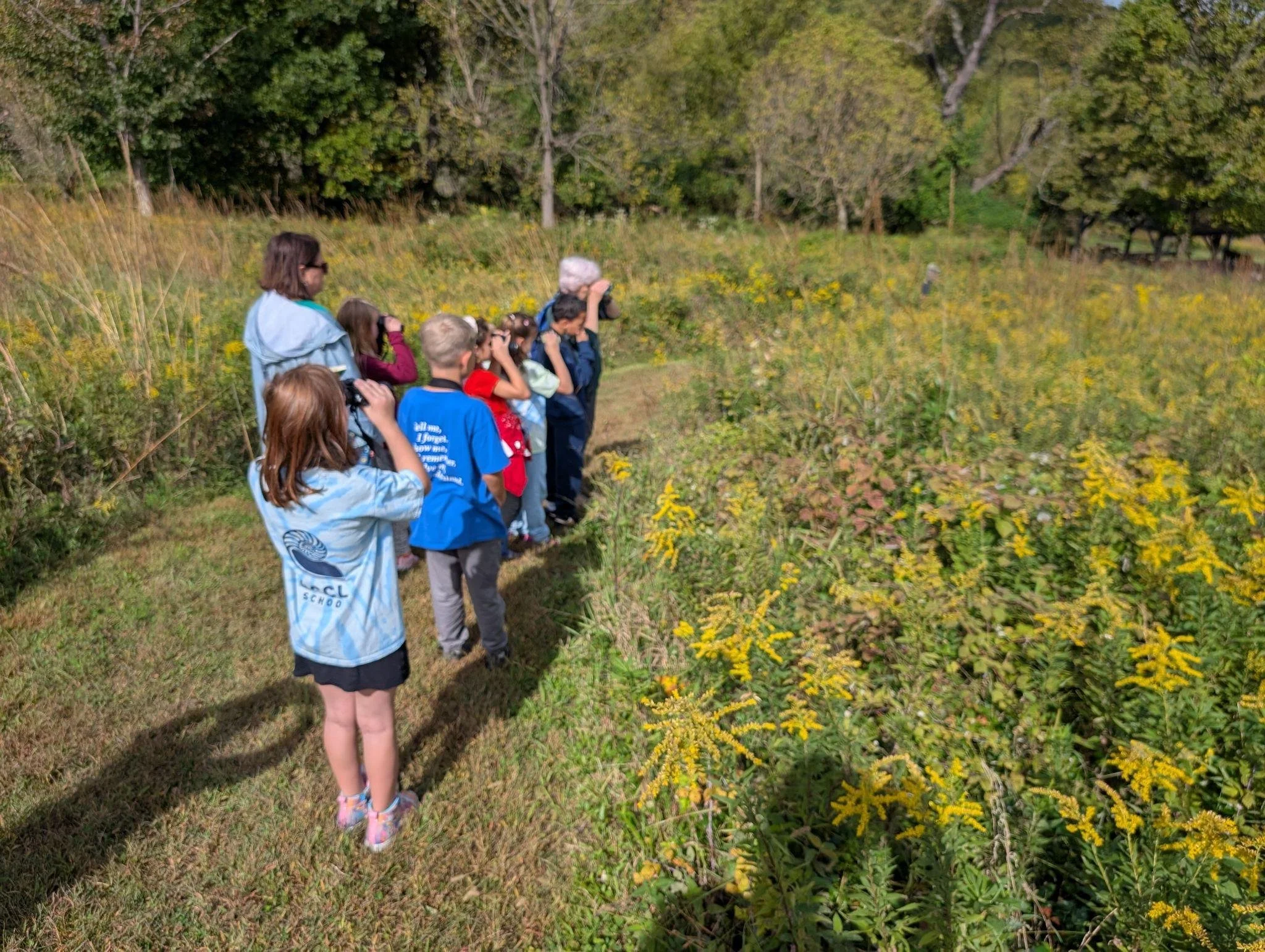
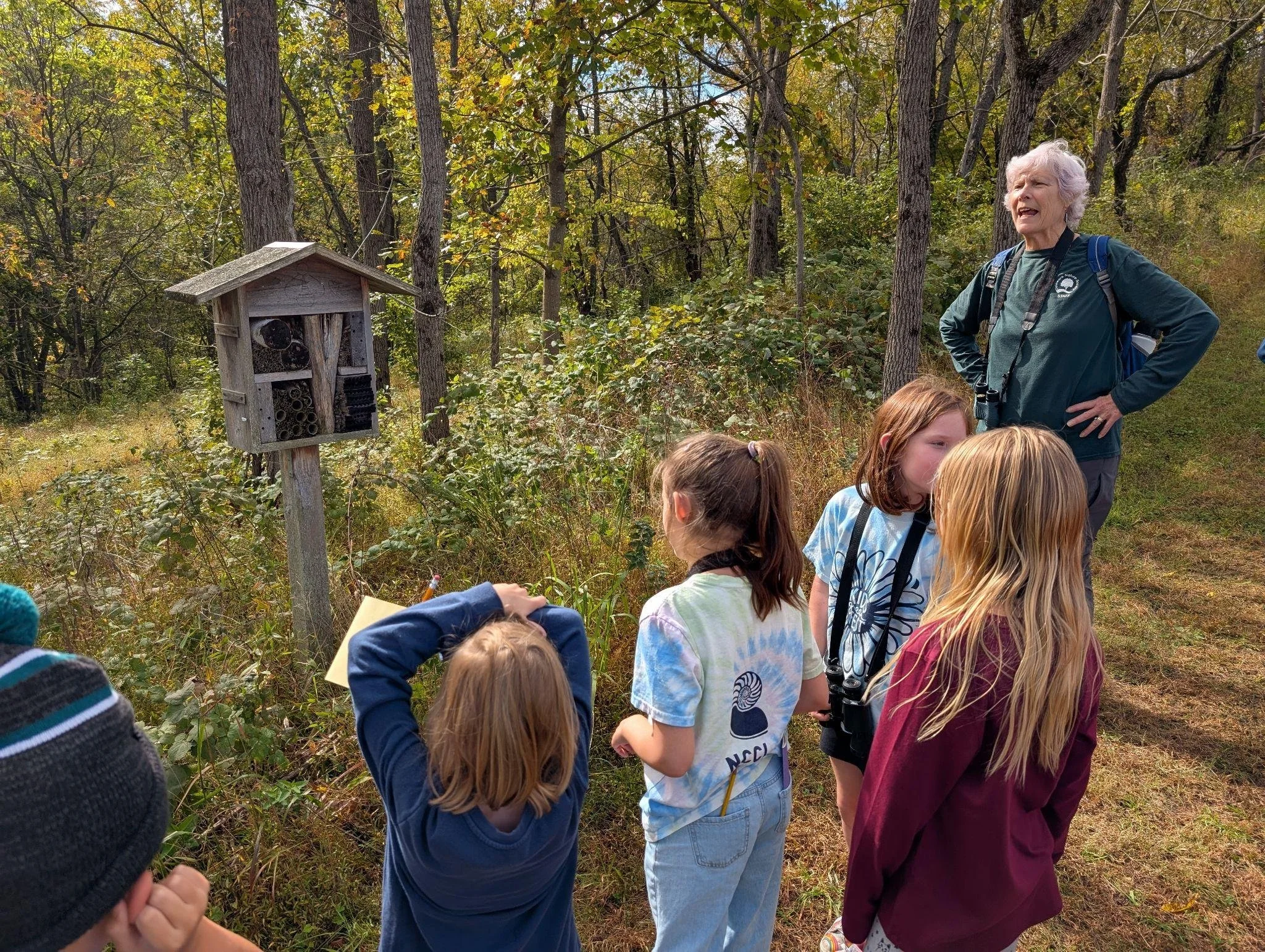
Each student received a pair of binoculars before we headed out into the field. Along the way to the hawkwatch hill, we stopped to explore a bee habitat built by a local Girl Scout. The habitat provides native bees with places to lay their eggs, shelter during the winter, and escape the summer heat.
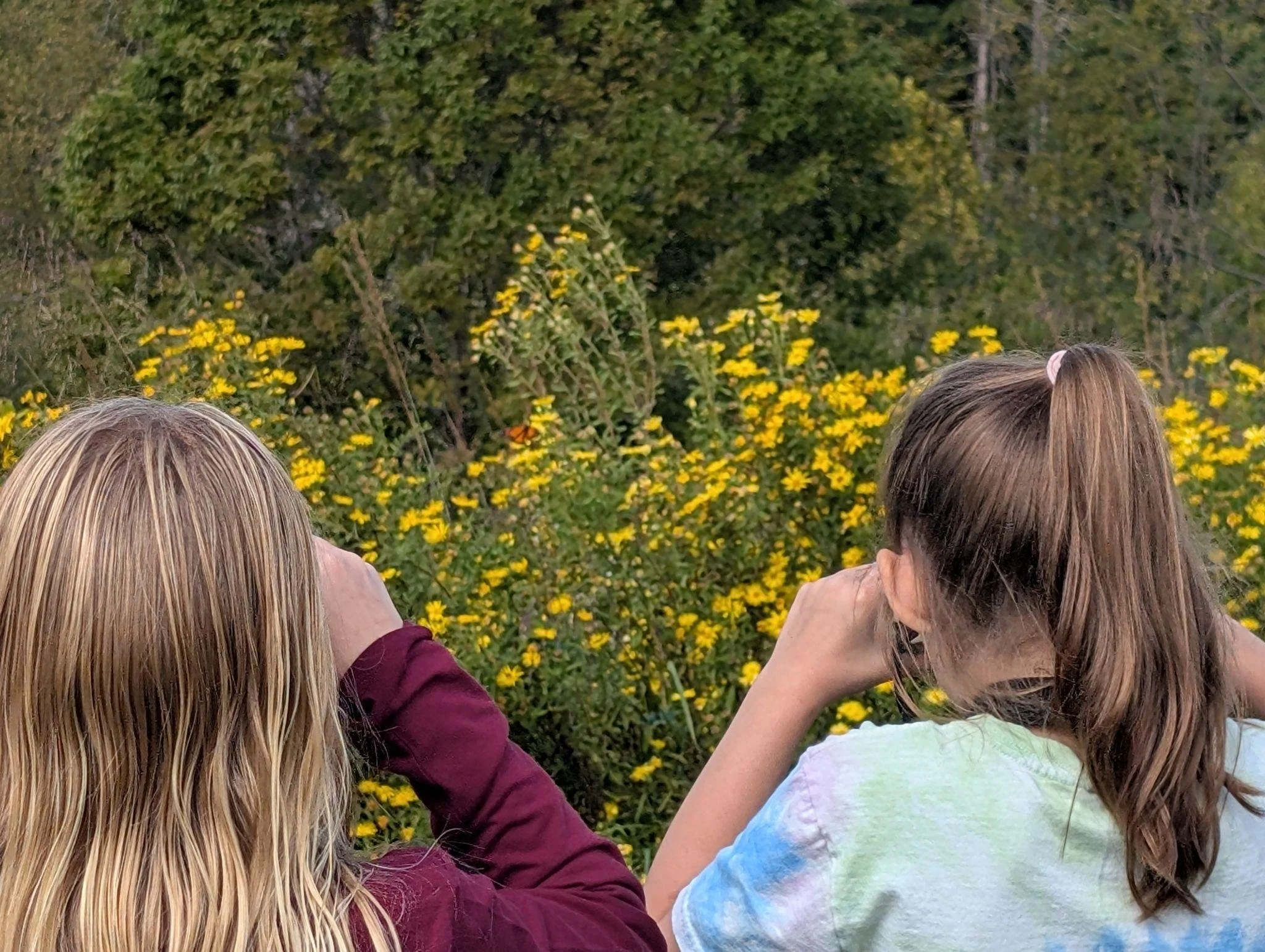
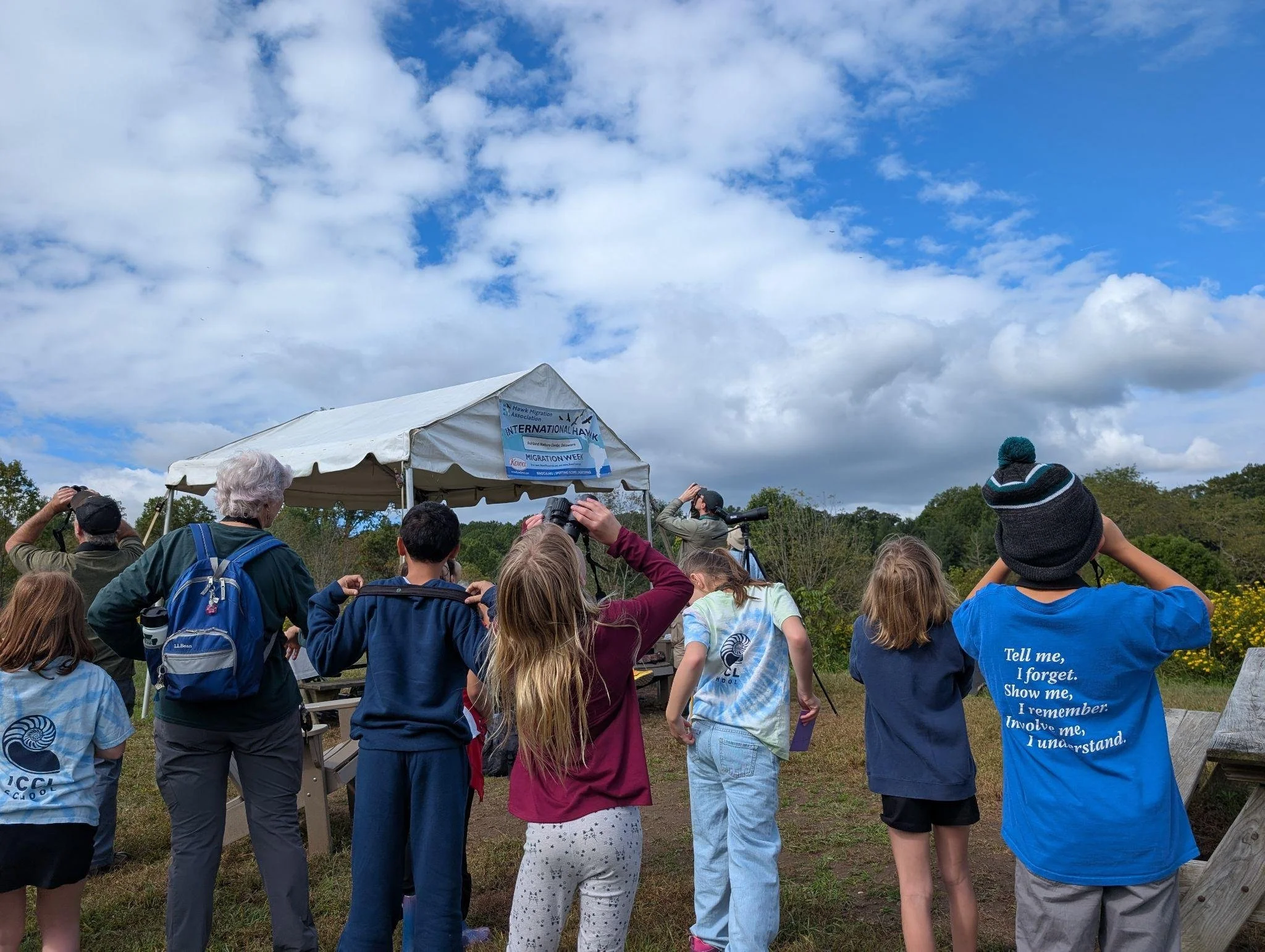
At the top of the hill, we joined Ashland guides and amateur birders who gather to watch migrating birds passing through our region. The view was spectacular, especially for our wonderfully flat state of Delaware! Students spotted two bald eagles, a red-shouldered hawk, and several vultures. We also noticed a monarch butterfly resting on goldenrod near the hawkwatch plateau.
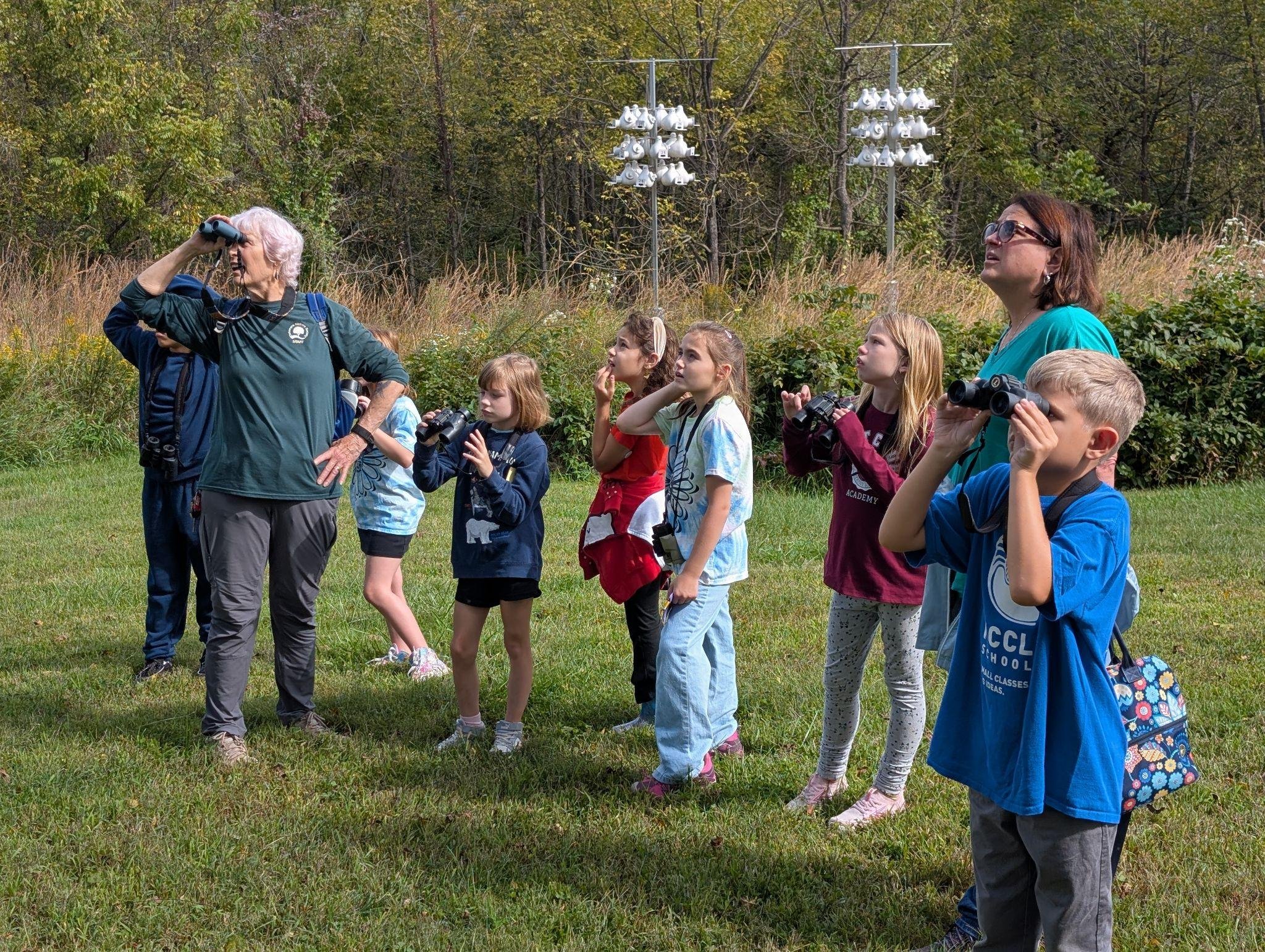
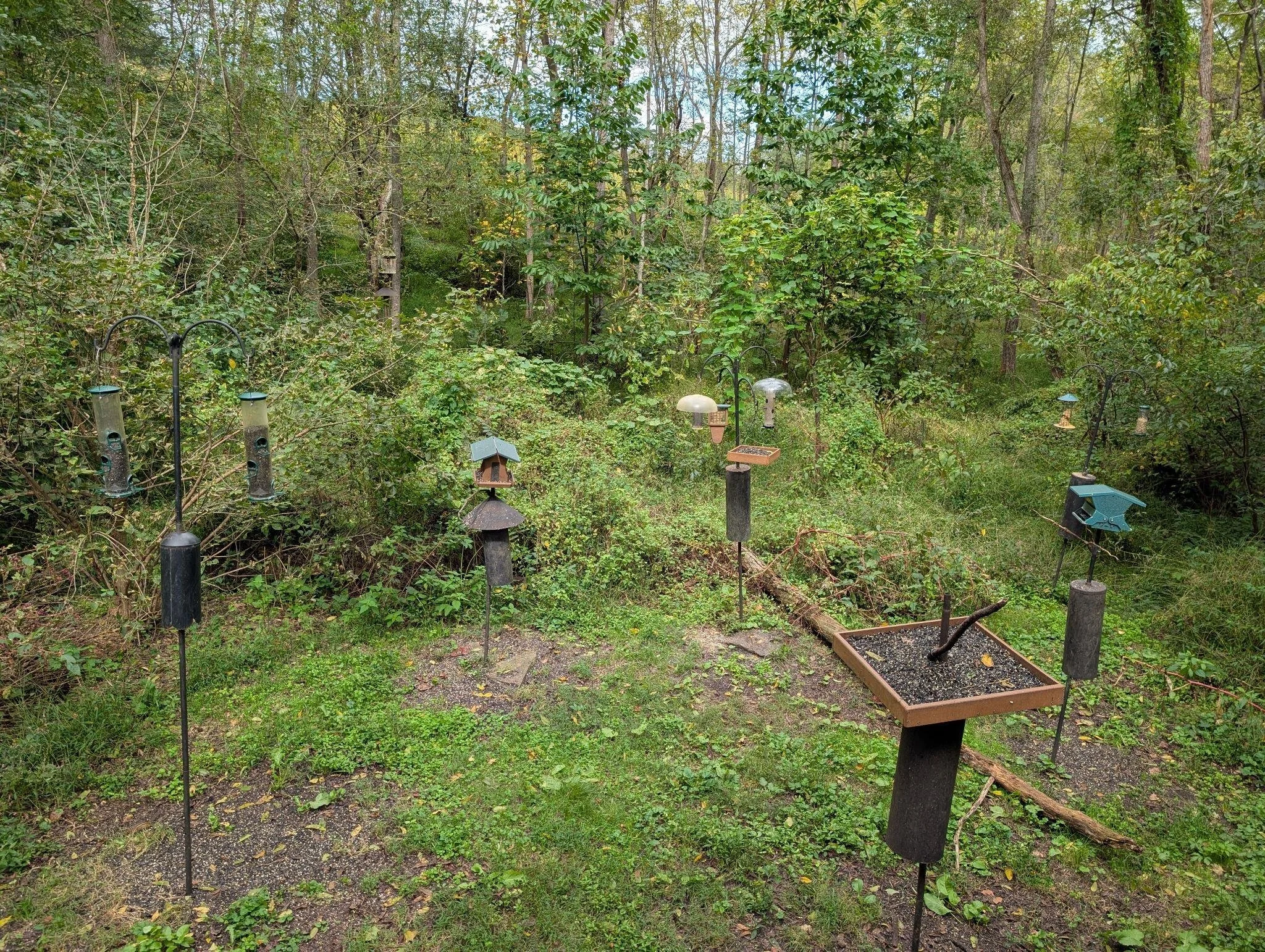
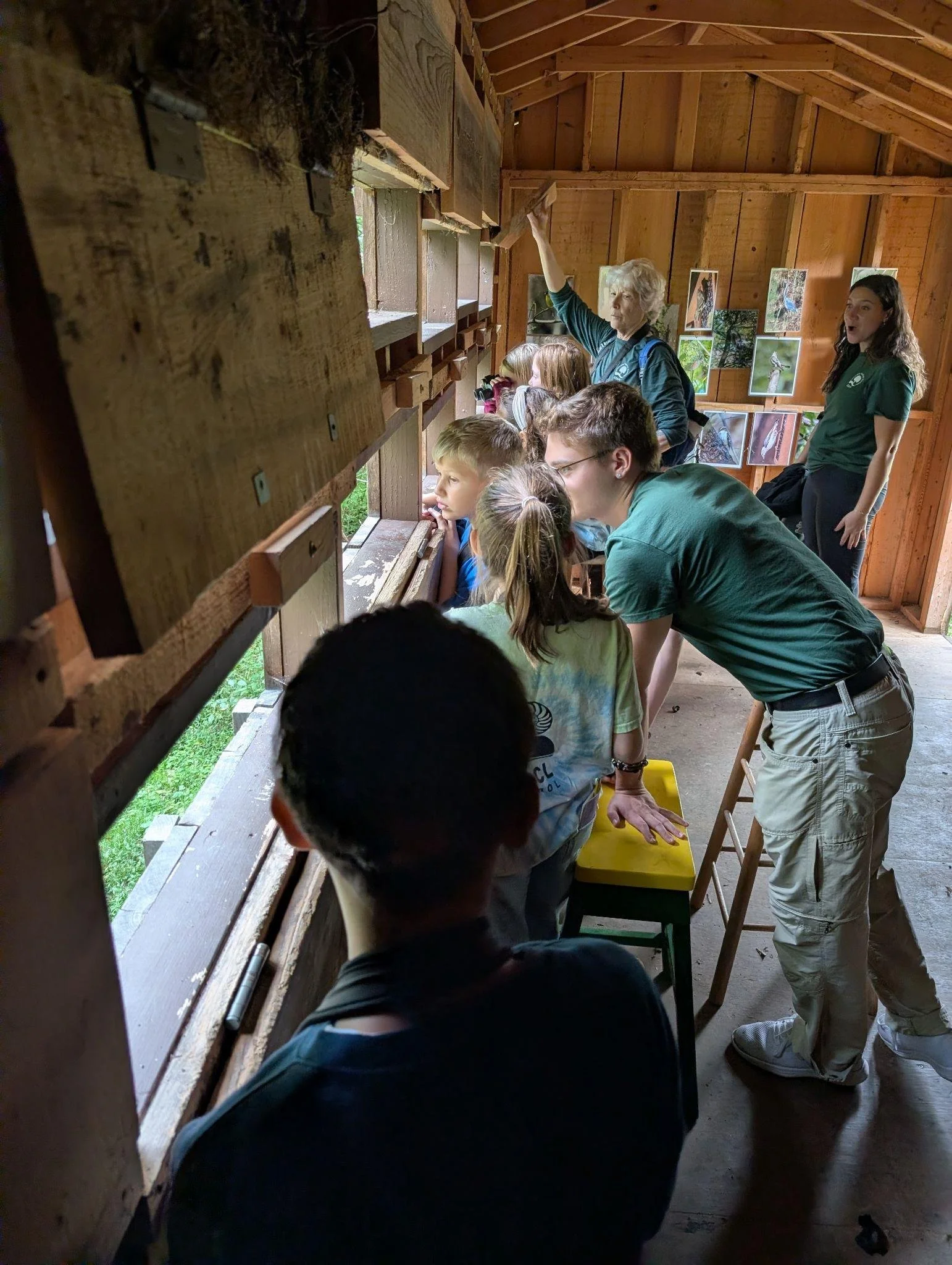
Next, we visited Ashland’s bird blind, where we observed birds enjoying the feeders. Students spotted chimney swifts, purple martins, red-bellied woodpeckers, downy woodpeckers, hairy woodpeckers, white-breasted nuthatches, tufted titmice, and more. A few tiger swallowtail butterflies and an especially adorable chipmunk made appearances, too!
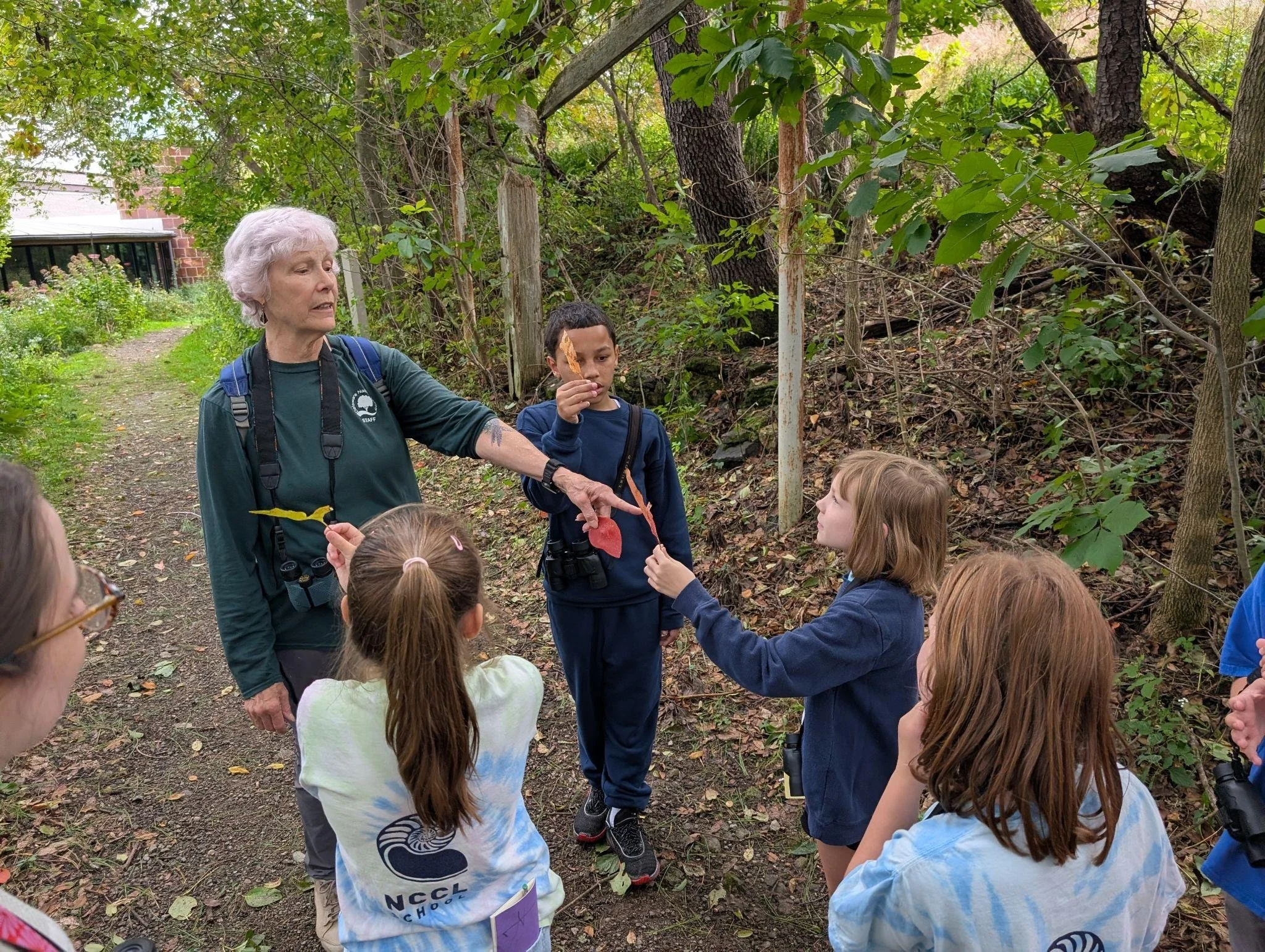
On our walk back to the nature center, Mary introduced students to the emerald ash borer, an invasive insect that has devastated ash trees throughout the Mid-Atlantic. She also shared her favorite tree, the sassafras, and showed us its four different leaf shapes. Some sassafras leaves look like little mittens, with both left- and right-handed versions. Amazingly, only about 10% of the mitten-shaped leaves are left-handed! Trees and people have something in common after all.
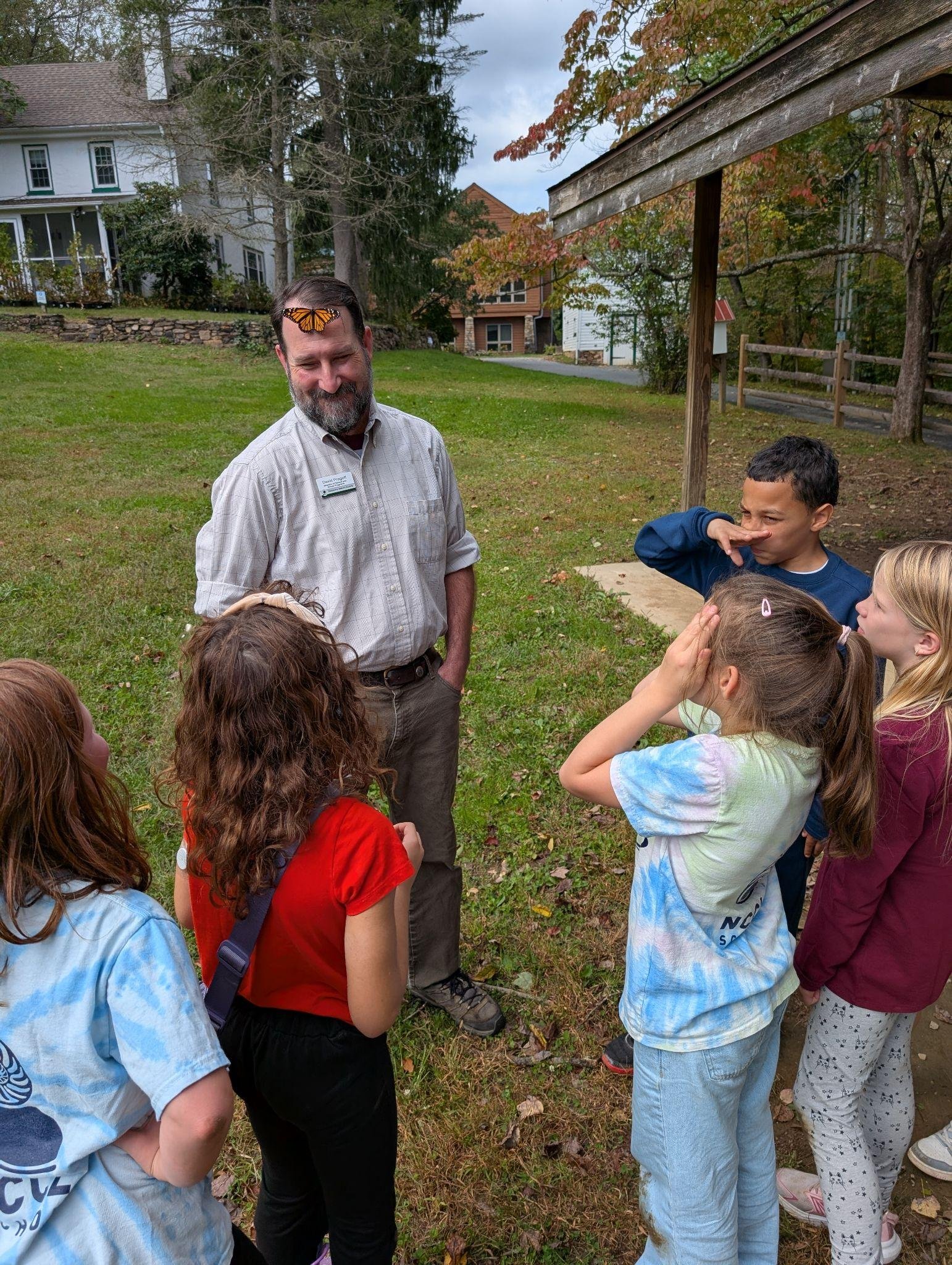
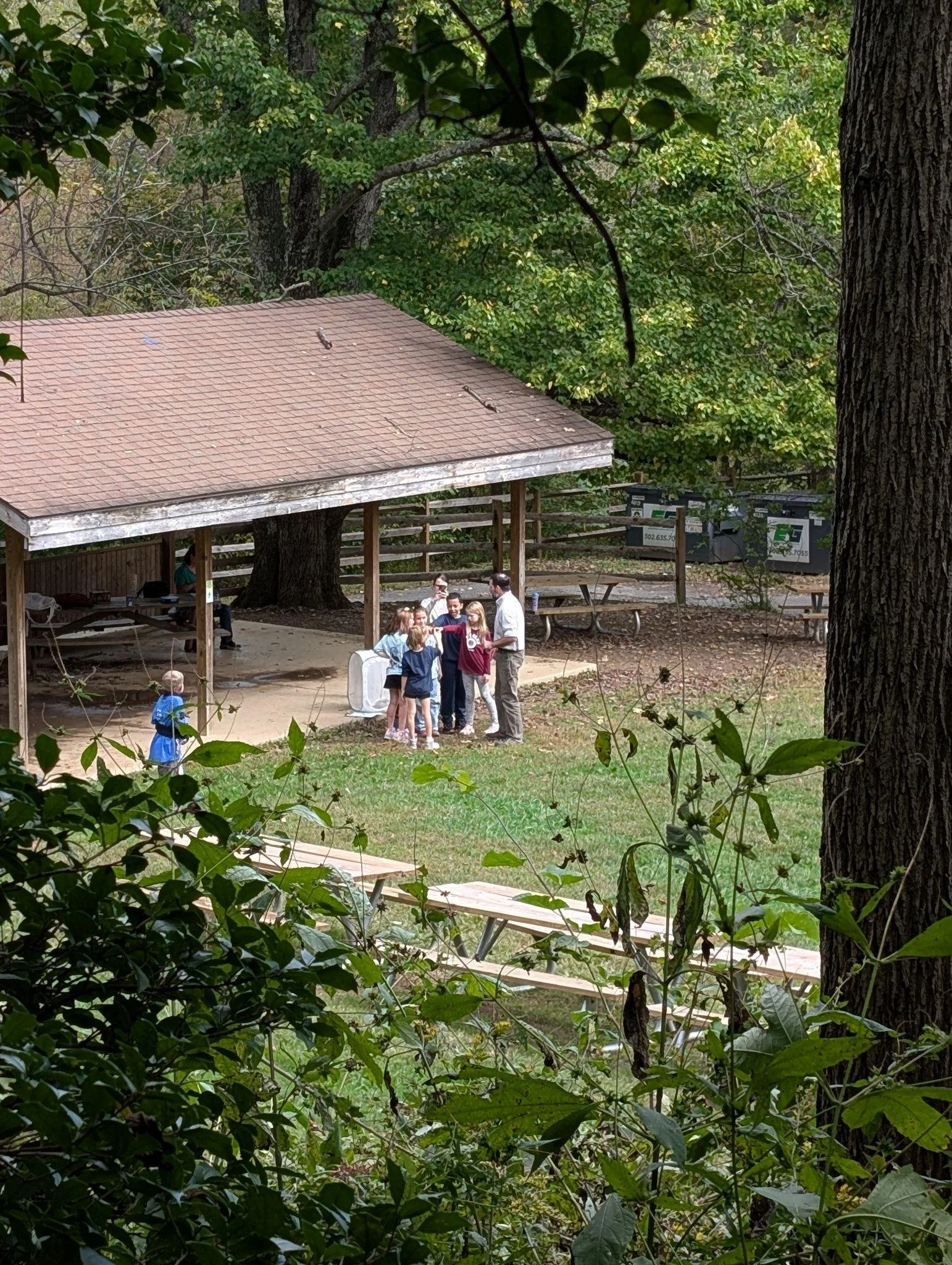
After lunch, we had one more special opportunity to connect with nature. Another Ashland guide joined us to help release a monarch butterfly that had hatched that very morning.
All in all, it was a fantastic day! We are grateful to the wonderful educators and guides at Ashland for sharing their knowledge and enthusiasm with our students. The trip gave our children the chance to explore the natural world, ask questions, make observations, and learn more about the migrating hawks and other wildlife that pass through our region each year.
At NCCL, we believe the world is the best place to learn, and trips like this bring that belief to life. Students learn by experiencing nature firsthand, making connections, and discovering just how much there is to wonder about.