The Magic of Outdoor Play
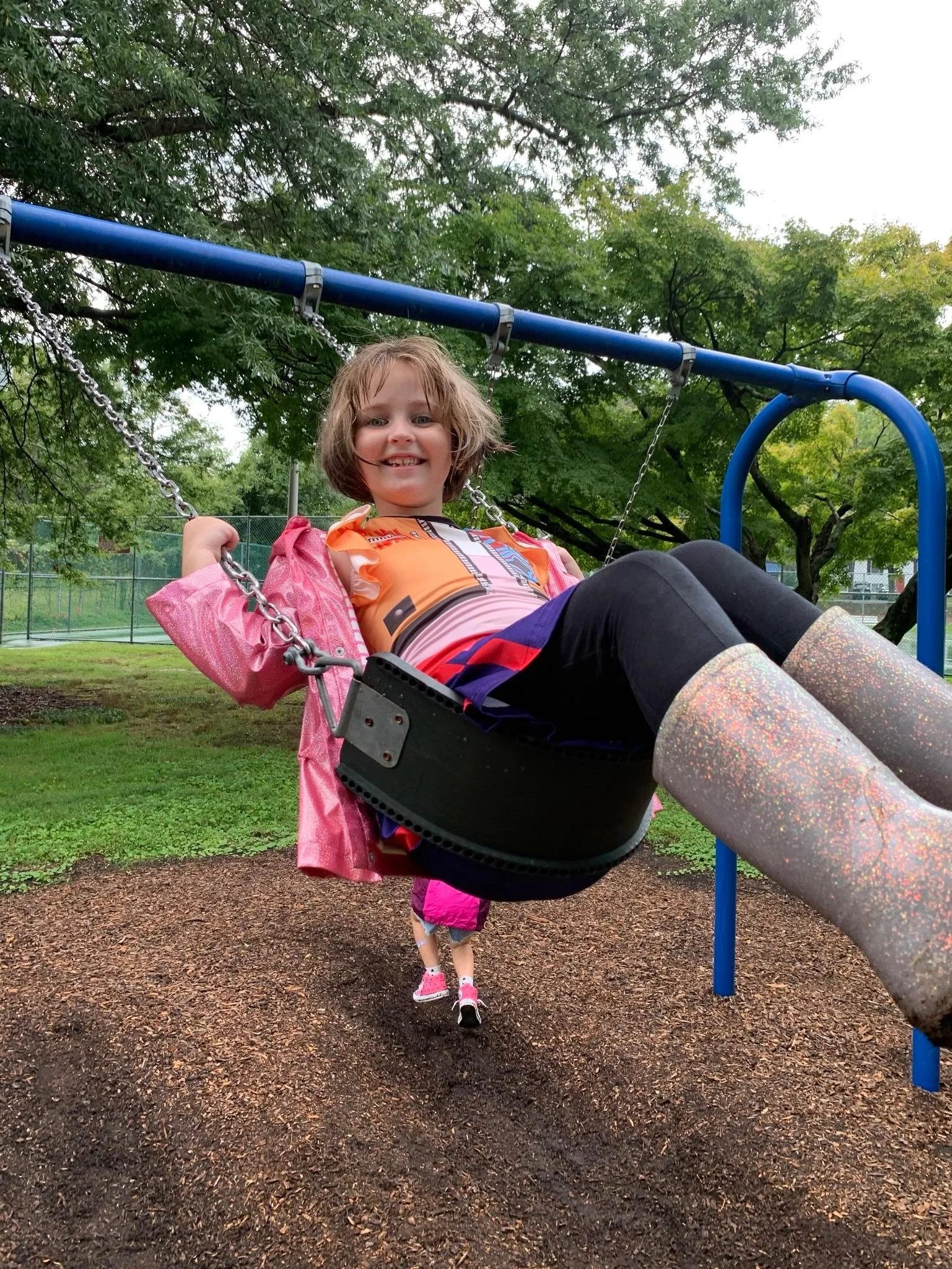
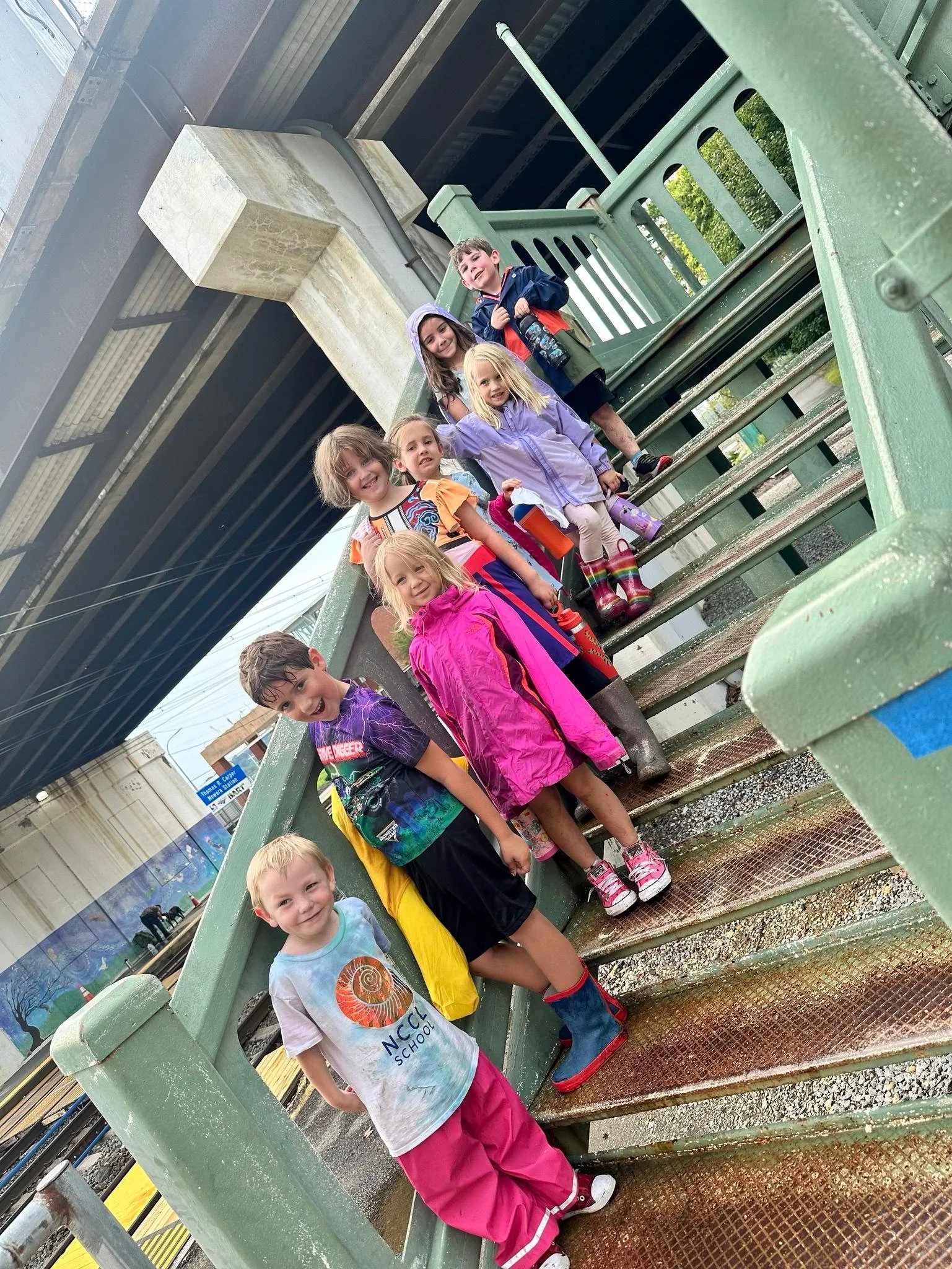
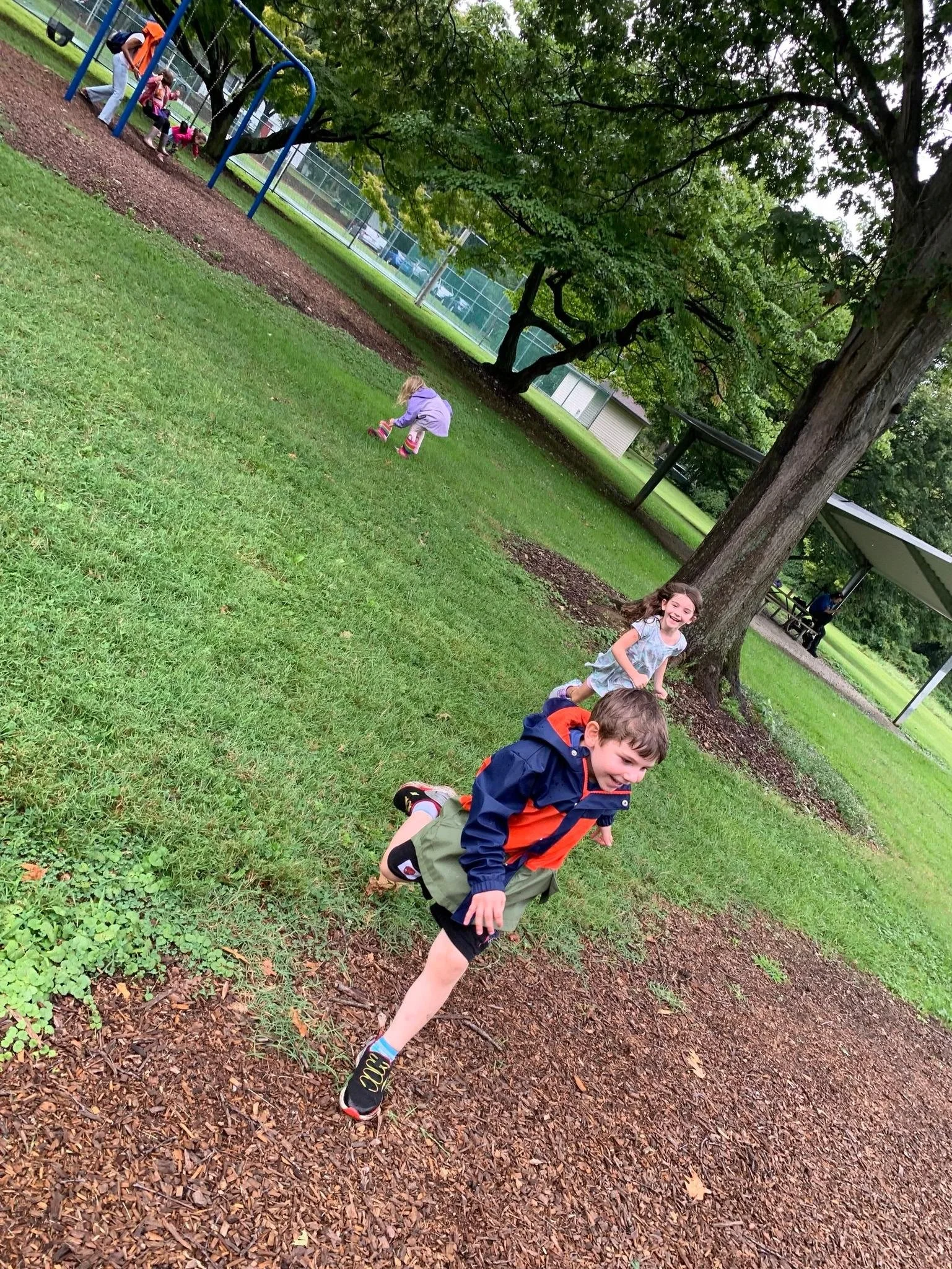
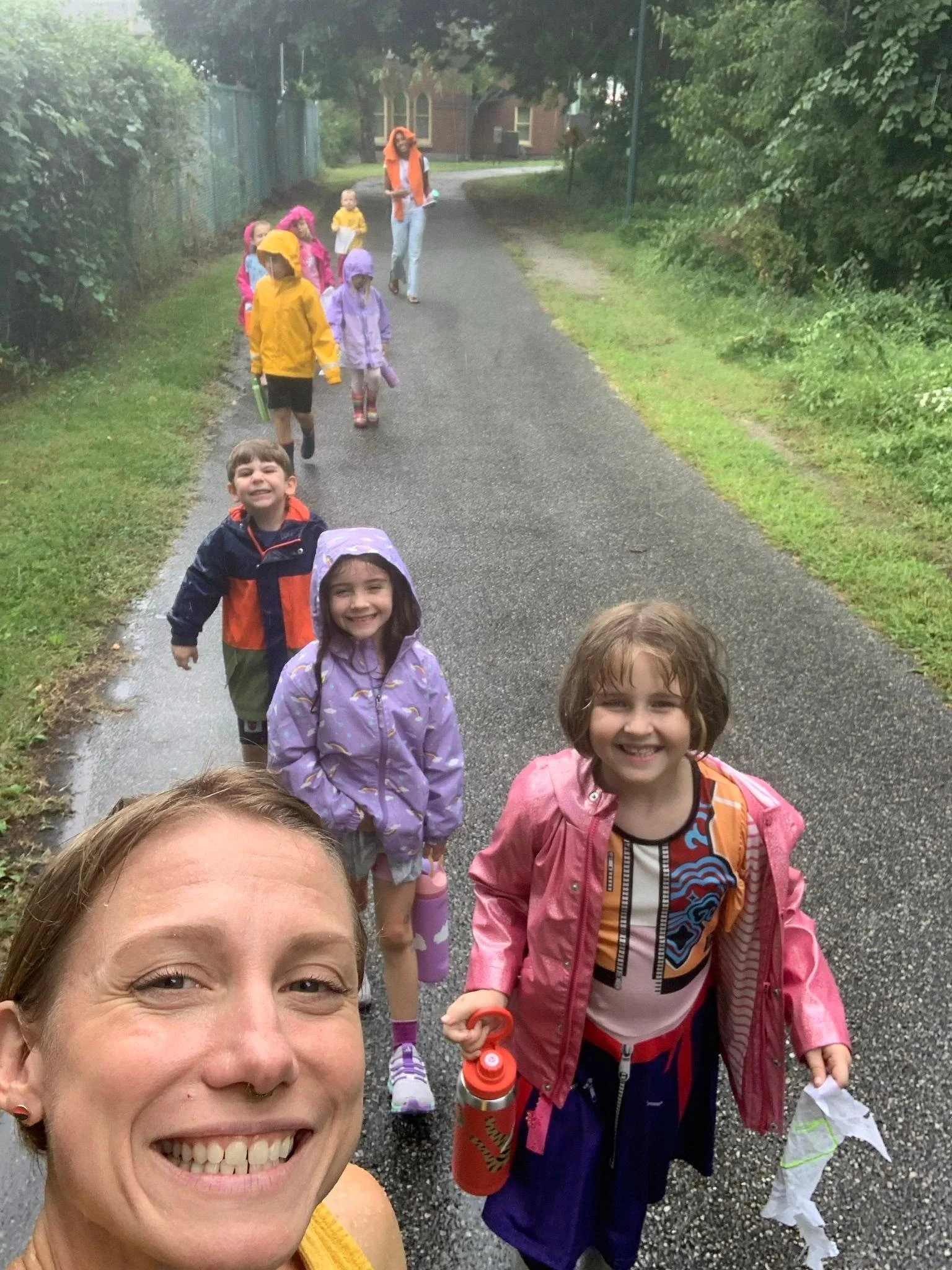
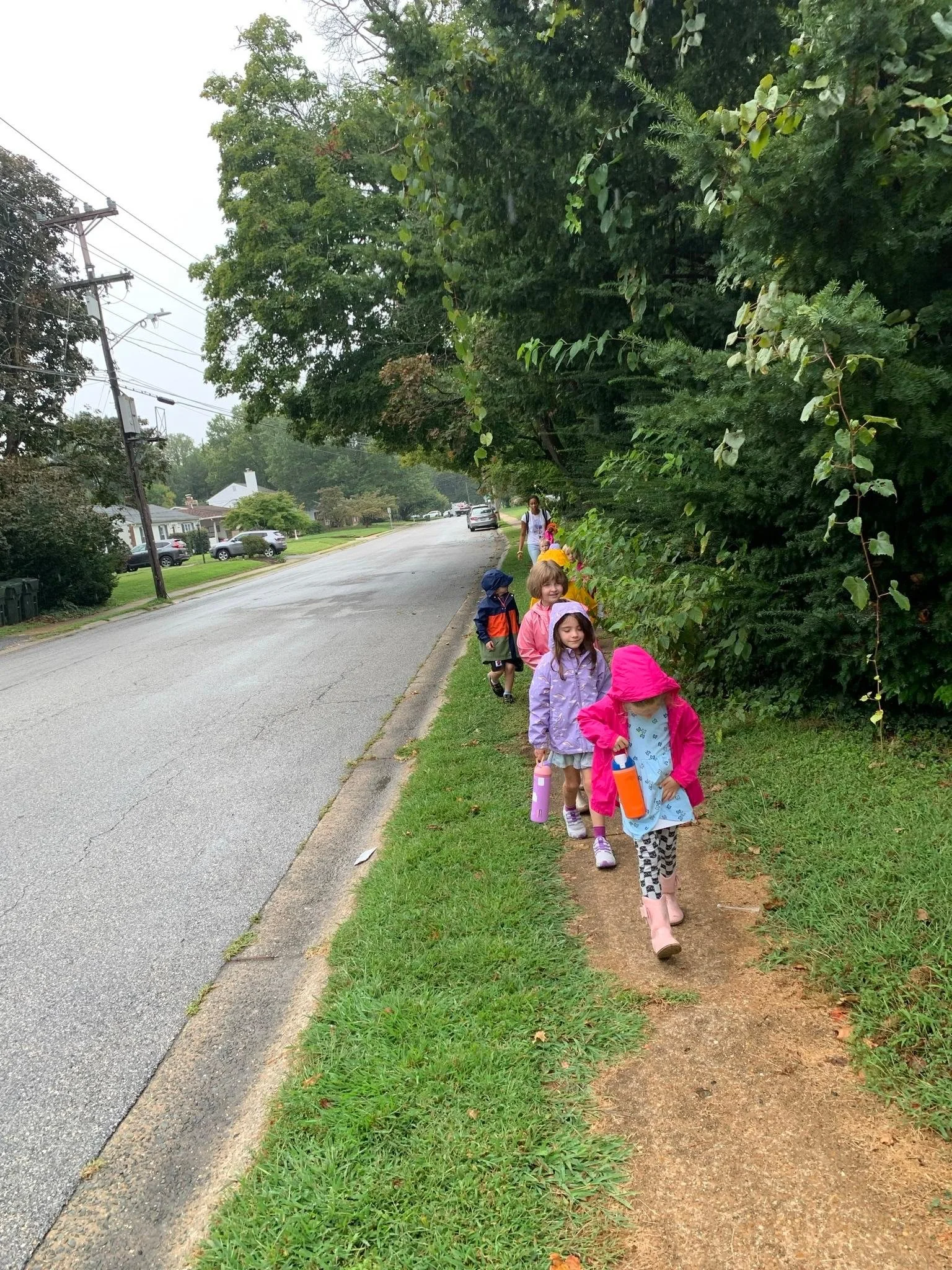
Last week, Group 1, our Kindergarten and first grade students, pulled on their rain gear and headed out for a walking field trip to Lewis Park. It was wet, a little drippy, and a whole lot of fun.
We know learning doesn’t only happen inside four walls. Some of the best learning takes place when children are outside, moving their bodies, noticing what is around them, and having the freedom to explore. And that doesn't stop when the weather isn't perfect.
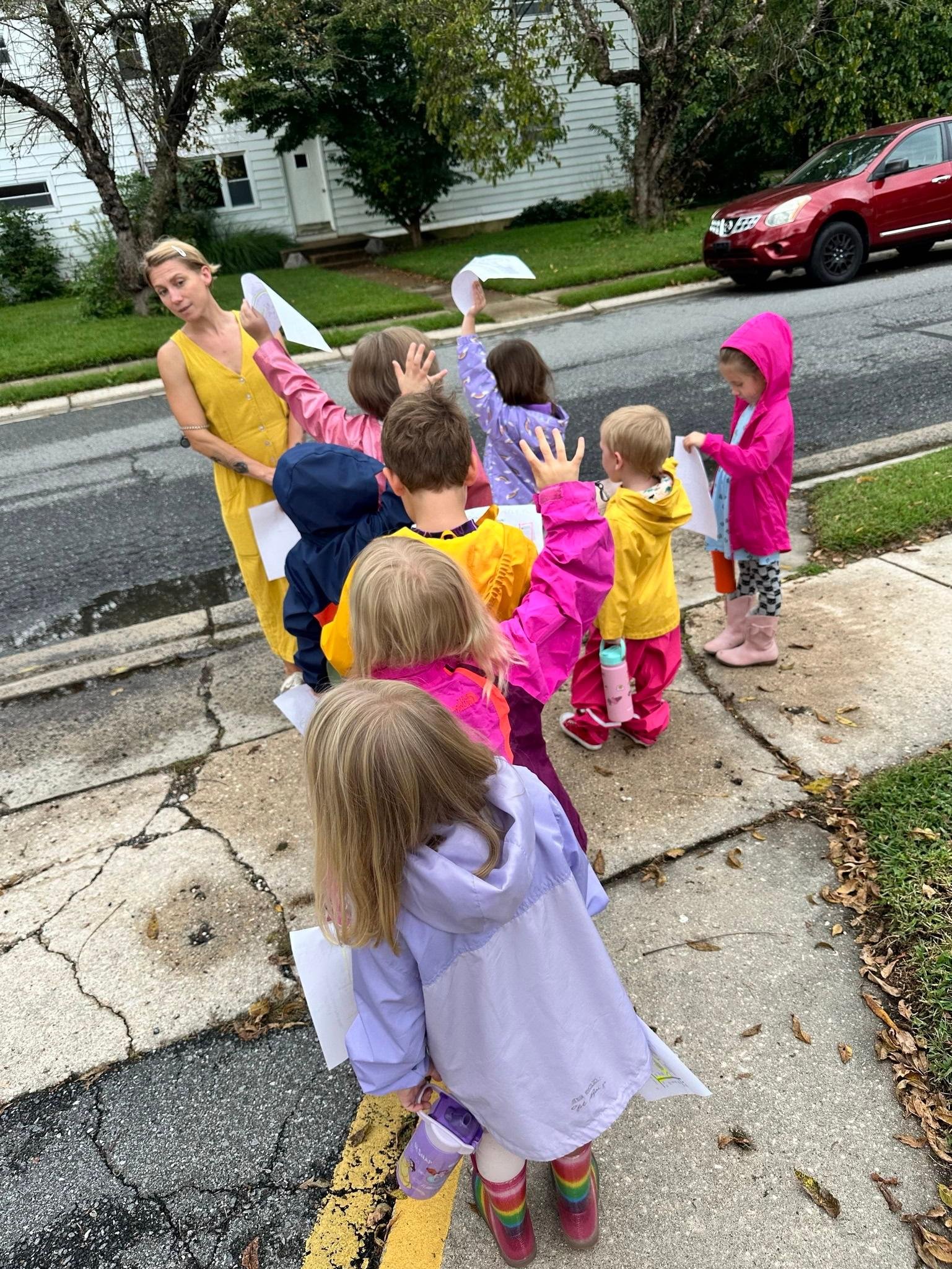
Before heading to the park, students worked together to create a route on their maps and then followed it on foot. Along the way, they practiced reading their surroundings, looking for landmarks, and figuring out where they were in relation to the school and the park.
Once they arrived at Lewis Park, the learning continued naturally. The students talked about the park as a community space. What happens at a park? Who uses it? Who takes care of it? And perhaps most importantly, who does it belong to?
“Everyone!”
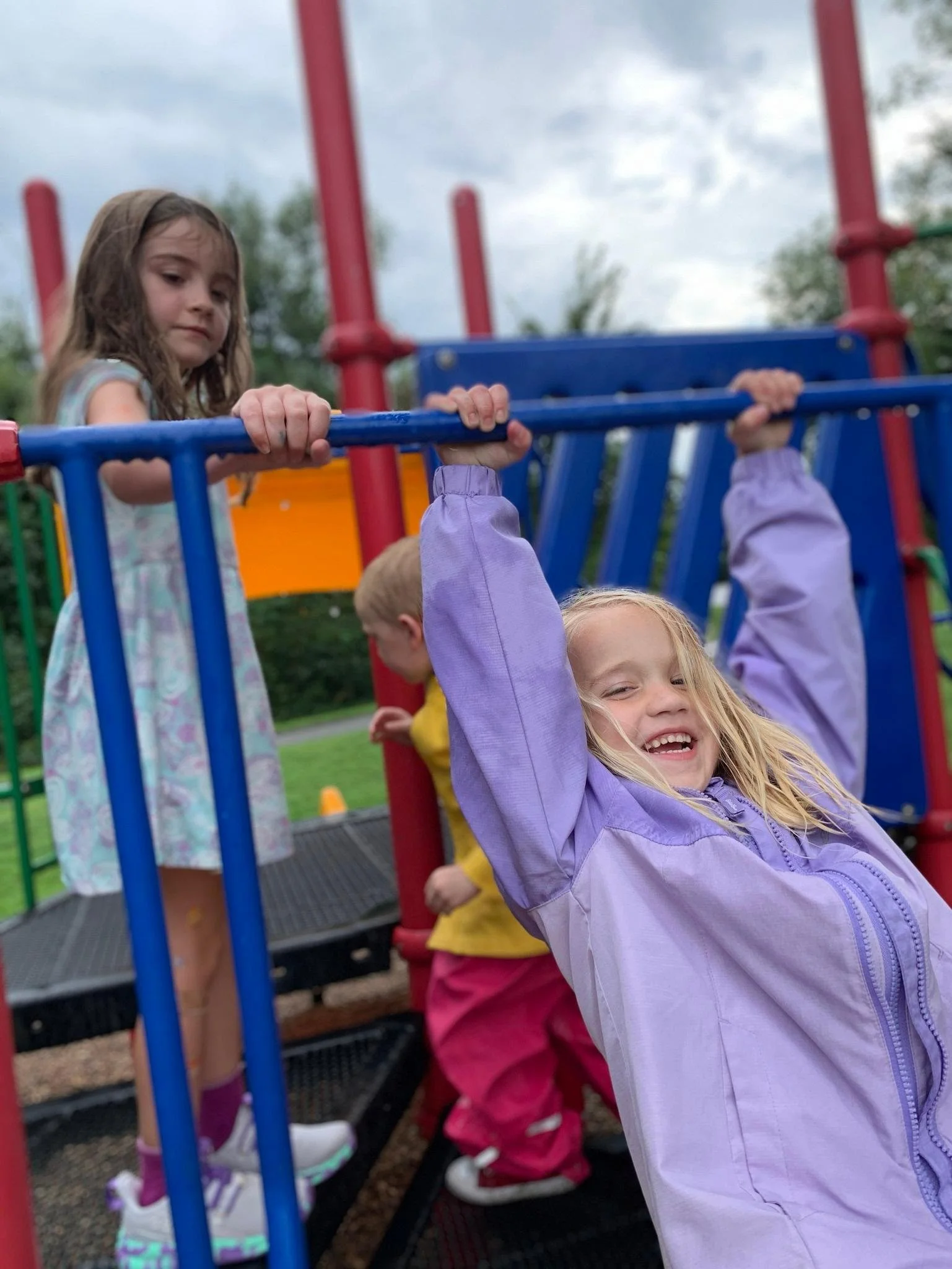
Then came the really important work: playing.
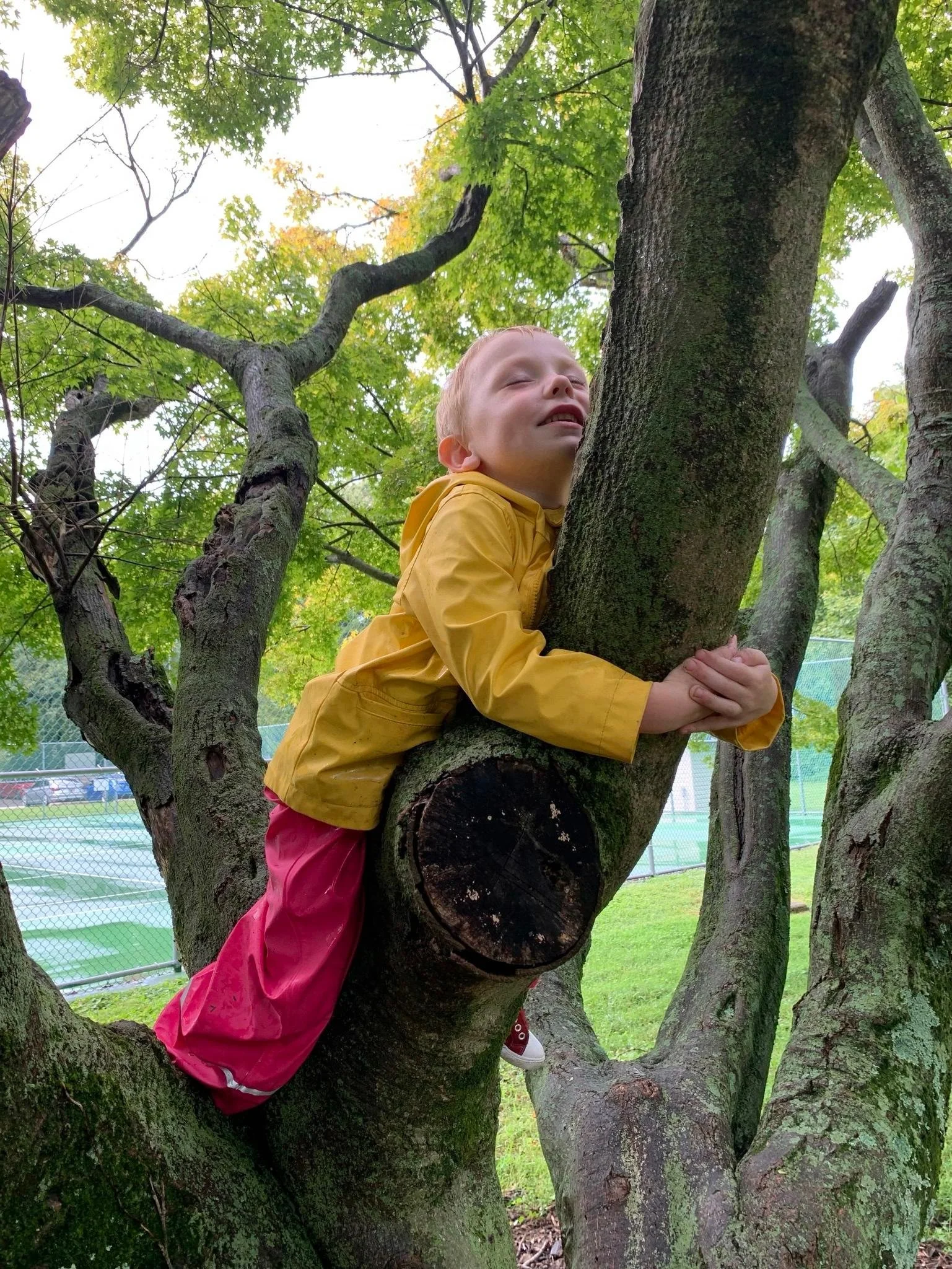
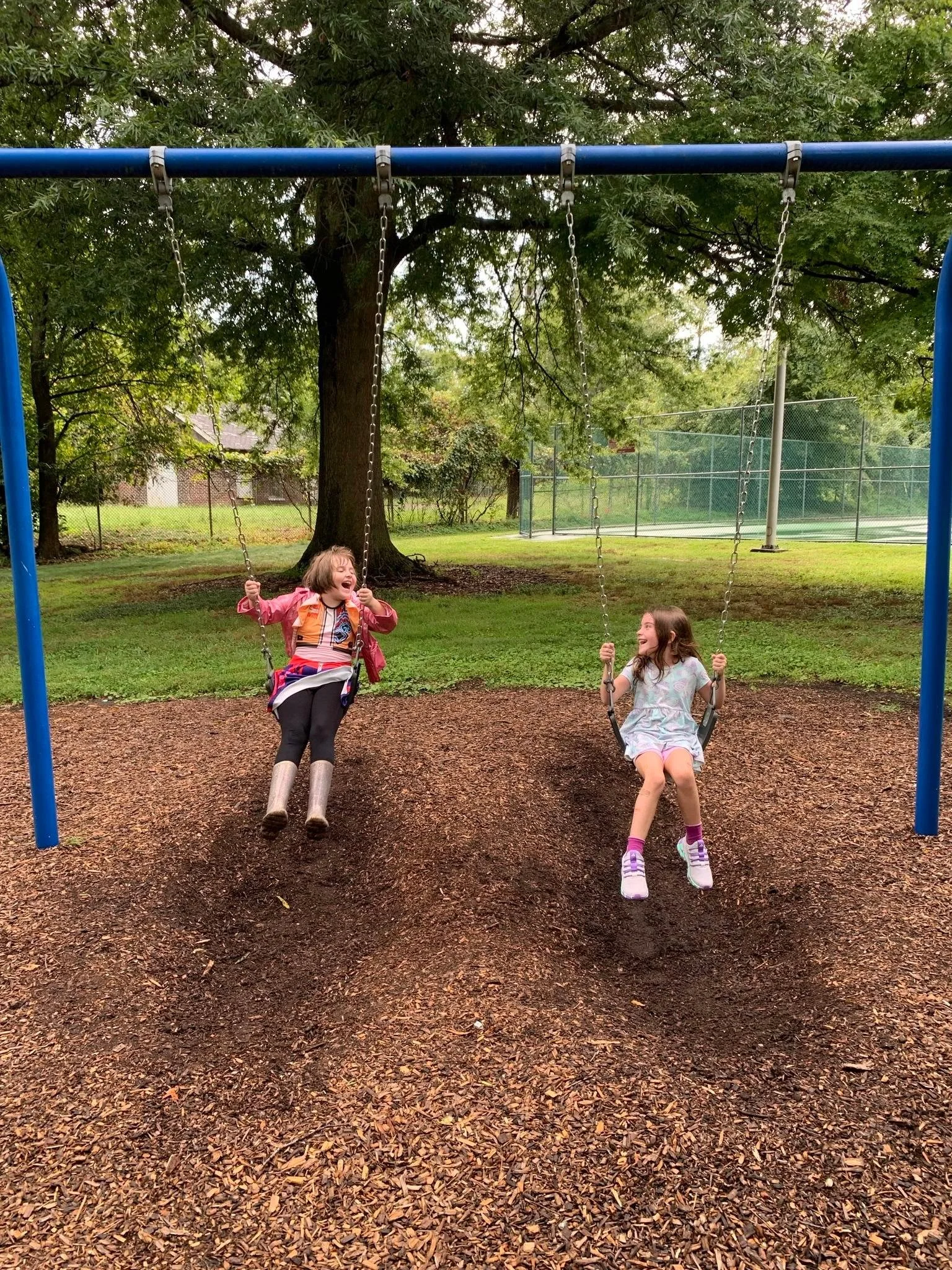
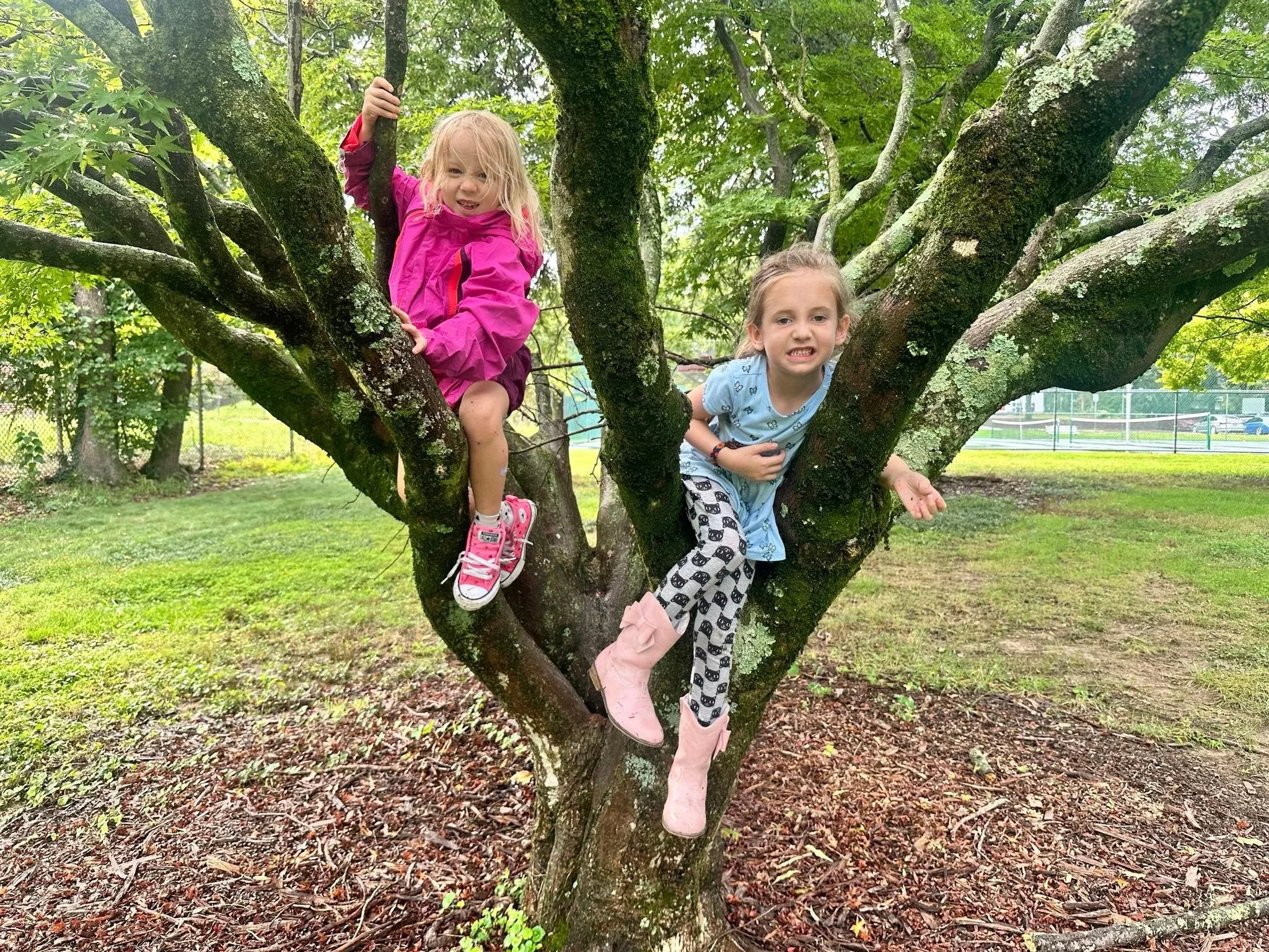
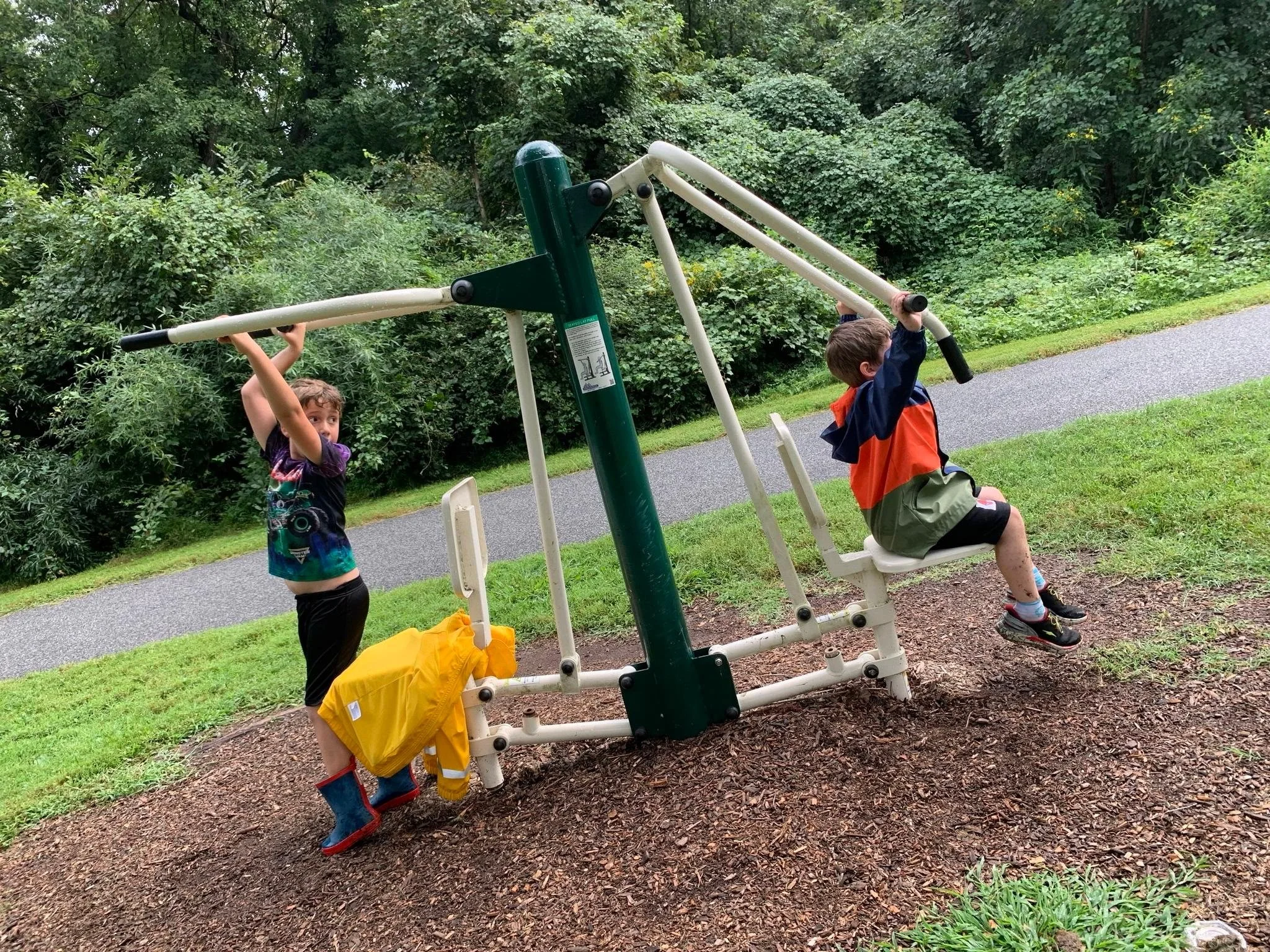
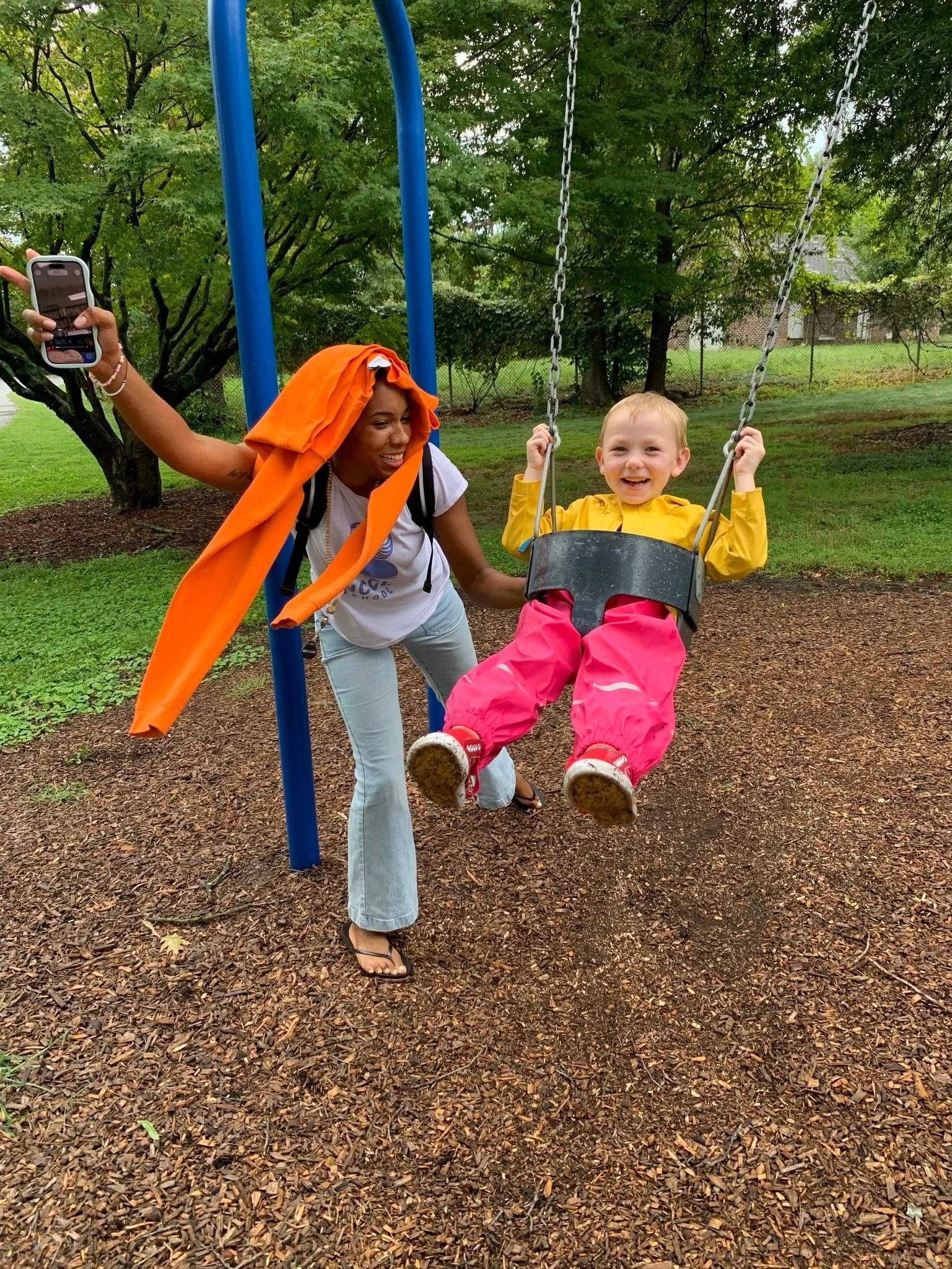
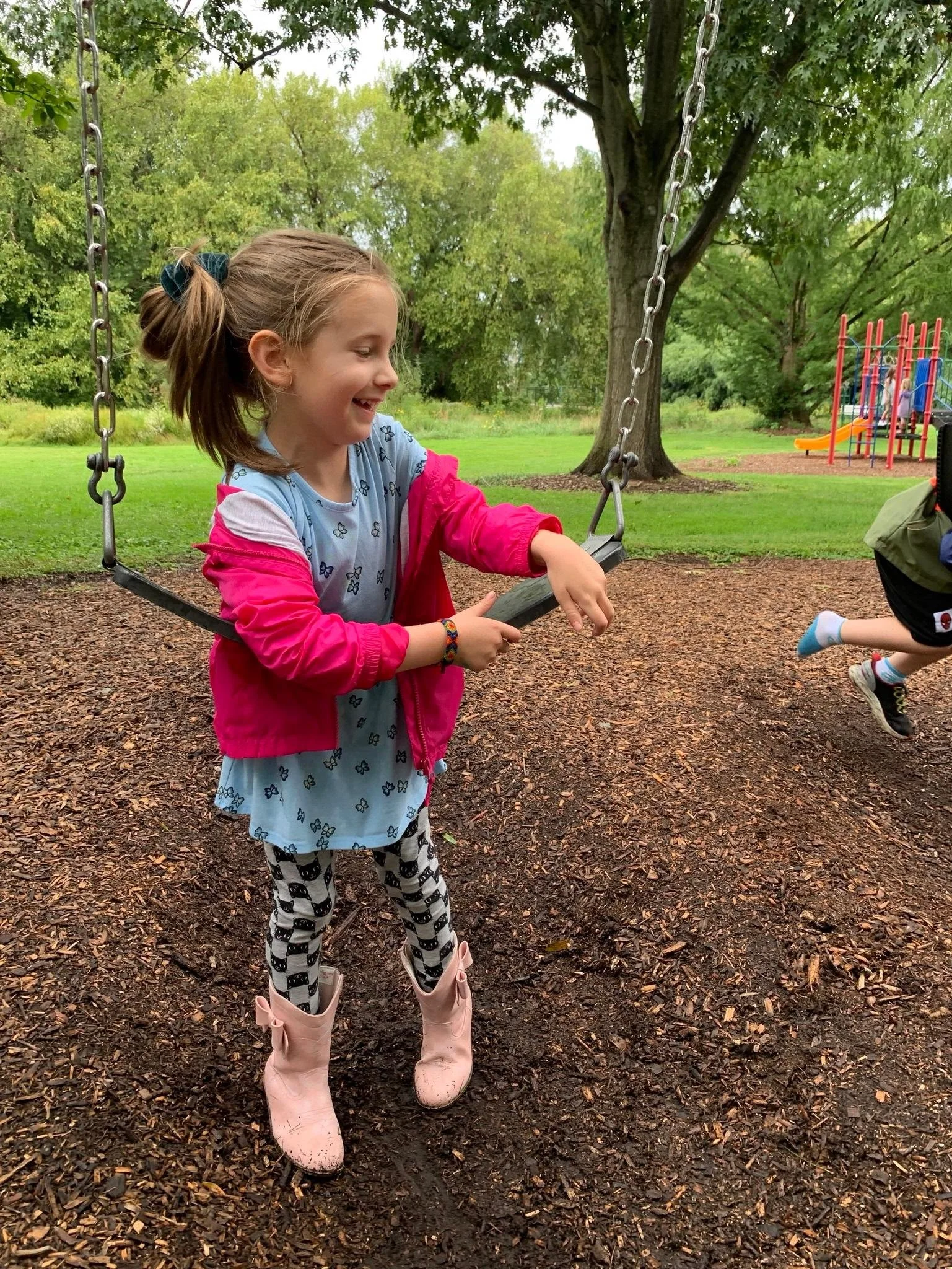
Students climbed trees, including figuring out how to get back down. They practiced pumping their legs on the swings. They watched trains go by. They explored the space, talked with one another, noticed things around them, and made their own discoveries.
These might look like simple moments, but they are full of learning.
Why outdoor play matters
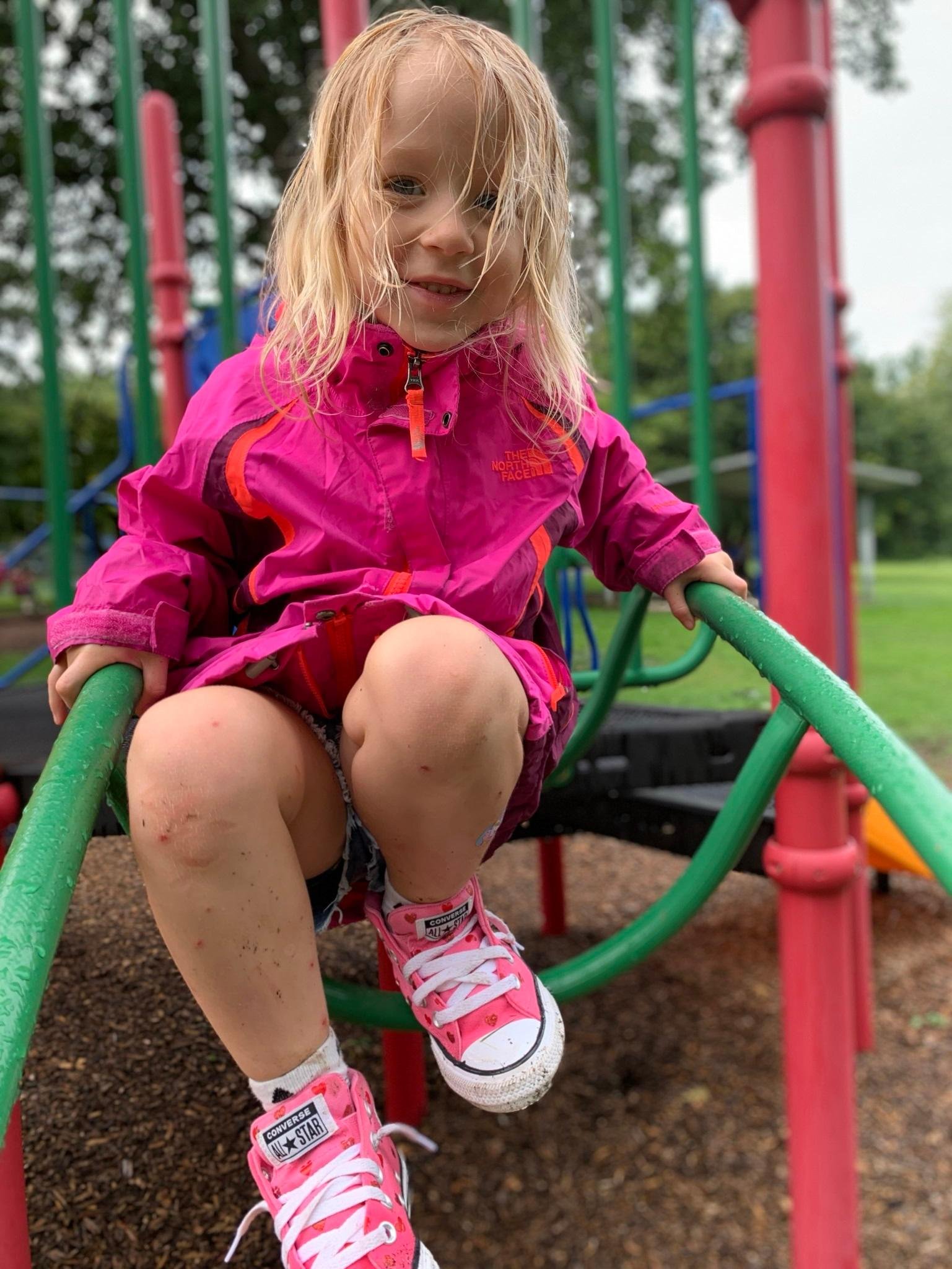
Children need time outside to move, explore, take reasonable risks, and interact with the world around them. Outdoor play gives children opportunities that are difficult to recreate indoors. A tree isn't a piece of playground equipment with one intended use. A park isn't a worksheet. A puddle doesn't come with instructions. Outside, children have to make decisions.
How do I climb this tree? Where should I put my foot? Can I get down from here? Which way should we go? What is that sound? Where did the train go? Is that a good place to jump? What happens if I step in that puddle?
These experiences build confidence, problem-solving skills, spatial awareness, coordination, and independence. They also give children the chance to practice something that is increasingly important: being curious about the world around them.
And there is something special about experiencing nature in different kinds of weather. Rain changes the way the world looks and sounds. The ground feels different under your feet. Leaves shine. Puddles appear. Children notice things they might otherwise walk right past.
We don't have to wait for a beautiful, sunny day to connect with nature. Sometimes the rainy days are the most memorable ones.
The world is the best place to learn
This kind of experience is a natural part of progressive education at NCCL. We want children to understand that what they learn in school is connected to the world they live in.
A conversation about community becomes more meaningful when you're actually walking through your community. Map skills make more sense when you're using a map to find your way somewhere. A discussion about public spaces becomes real when you're sitting in a park and thinking about the many different people who use it. And learning about movement, balance, and coordination can happen while climbing a tree or pumping your legs on a swing.
That's one of the things we love about our small school and our progressive approach. We have the flexibility to take learning outside, follow a question when it comes up, and give children time to investigate the things that catch their attention.
So yes, sometimes our students come back to school with muddy shoes, wet sleeves, or leaves stuck to their clothes. We'll take that! Because we'd much rather have children who are willing to get a little wet, climb a little higher, ask a lot of questions, and see their neighborhood as a place to explore.
At NCCL, the world really is the best place to learn, rain or shine.